Inside a professional garden restoration job before and after
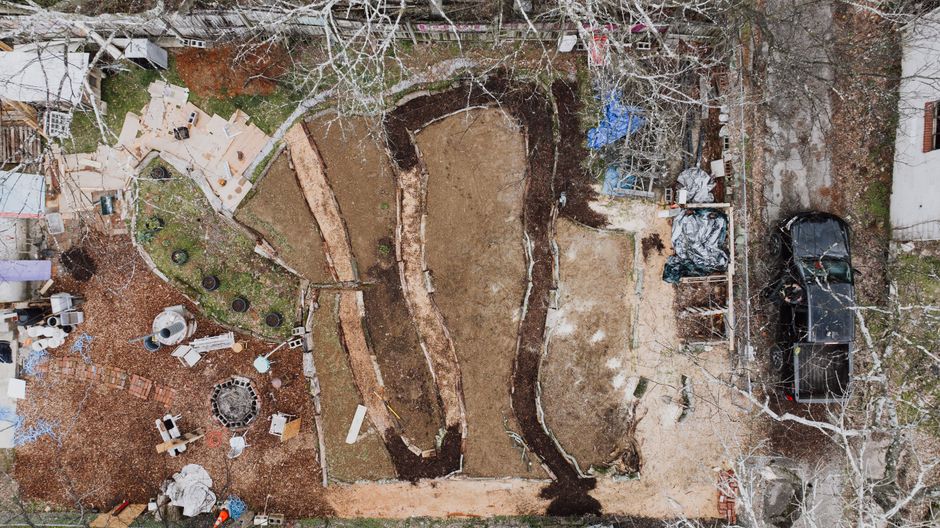
If you've ever looked at a tired, overgrown outdoor space and wondered how on earth it could become a garden again, you're in the right place. Inside a professional garden restoration job before and after, the difference is often bigger than people expect: not just cleaner borders or a neater lawn, but a space that finally feels usable, balanced, and alive. The before can be messy, neglected, and frankly a bit overwhelming. The after should feel calm, practical, and properly cared for.
This guide breaks down what happens during a restoration, why the transformation matters, how professionals approach the work, and what a realistic before-and-after outcome looks like in a UK garden. You'll also find a checklist, a comparison table, and a few useful links if you're planning next steps. Let's face it, most gardens don't need magic. They need a plan.
Why a garden restoration before and after matters
A proper garden restoration is about more than tidying up what's visible. The before-and-after story matters because it shows the hidden problems underneath the obvious ones: compacted soil, dead patches in the lawn, self-seeded weeds, ivy on fences, broken edging, blocked drainage, and shrubs that were never pruned at the right time. A surface-level clean can make things look better for a week. Restoration aims for a result that lasts.
People often search for before-and-after examples because they want reassurance. Fair enough. If you're spending money on outdoor work, you want to know what will change, what won't, and how dramatic the improvement will be. In our experience, the biggest wins usually come from clarity: once the site is assessed properly, the garden starts to feel less like a burden and more like a usable part of the home.
There's also a practical side. A restored garden can make maintenance easier, improve access, and reduce ongoing problems such as pests, waterlogging, and recurring weed growth. For many homeowners, that means less stress every weekend and more enjoyment when the weather behaves itself for once.
How a professional garden restoration works
A professional restoration job usually starts with a survey of the space, not with a mower or a digger. That first look matters because the right approach depends on what's actually there. A garden that has been ignored for a year needs something different from one that's been left for a decade. The work is often staged so the team can clear, assess, repair, and then refine, rather than rushing straight into the dramatic part.
Typical restoration work may include overgrown clearance, hedge reduction, border definition, patio cleaning, tree pruning, turf repair, soil improvement, ivy removal, and selective replanting. Sometimes the garden needs structural help as well, such as fence repairs or landscaping adjustments. If you're also dealing with a neglected lawn, a dedicated lawn care approach can make a surprising difference once the heavy work is done.
One thing people don't always realise: the best before-and-after results come from restraint as much as effort. Not every plant should be removed. Not every corner should be "tidied" into nothing. A good gardener keeps the character of the space intact while solving the problems that make it hard to enjoy.
For instance, a shady back corner might need selective thinning rather than stripping everything out. A windy plot may benefit from a better screen or sturdier planting. If your garden sits exposed, this guide on shielding your garden from weather extremes is a useful companion read.
Key benefits and practical advantages
The most obvious benefit is visual transformation. But the real value usually shows up in how the garden functions day to day. A restored garden is easier to walk through, simpler to maintain, and more pleasant to sit in. That sounds basic, but basic is often exactly what's been missing.
- Cleaner structure: borders, paths, hedges, and lawns start to read as intentional again.
- Healthier planting conditions: pruning, soil work, and debris removal give plants room to recover.
- Reduced maintenance pressure: once the first big reset is done, ongoing care is far less daunting.
- Better use of space: areas that were unusable can become seating, planting, or play zones.
- Improved safety: fewer trip hazards, less hidden rot, and less overgrowth around doors, fences, and paths.
There's another benefit people often overlook: confidence. A garden that has been restored gives owners a clearer starting point. You stop guessing. You can see where the structure is, where the problems are, and what to do next. That alone can be worth a lot.
And if the result needs to stay tidy over time, regular garden maintenance is usually the sensible follow-up, not an afterthought. A one-off rescue and an ongoing plan work much better together than either one on its own.
Who this is for and when it makes sense
Garden restoration is a strong fit if your outdoor space has become overgrown, neglected, or just unmanageable. It also makes sense if you've recently moved into a property and the garden needs a reset before you can use it properly. That happens more often than you'd think, especially with older homes where the garden has been left to "sort itself out" for a few seasons. Spoiler: gardens rarely sort themselves out.
This kind of work is especially useful for:
- homeowners facing years of accumulated growth
- landlords preparing a garden for new tenants
- families needing a safer, clearer outdoor area
- people who want a low-maintenance layout rather than a high-effort jungle
- buyers who want to understand what a restoration job can achieve before committing
It can also be the right call when DIY has reached its limit. There's no shame in that. Some jobs are bigger than a weekend, a rusty spade, and a good intention. If you've been battling brambles, ivy, or persistent weeds, a professional reset may save time and reduce the risk of damaging the wrong plants or surfaces. For tricky infestations, see strategies for dealing with weeds and a step-by-step ivy removal guide.
Step-by-step guidance
Although every garden is different, a professional restoration usually follows a recognisable pattern. Knowing the steps helps you understand what's happening on the day and why the order matters.
- Assessment and planning
The team identifies problem areas, access issues, and anything that should be protected. Good planning prevents unnecessary damage and avoids wasting effort on the wrong tasks. - Clearance
Overgrowth, dead material, fallen branches, and debris are removed first. This exposes the real shape of the garden and reveals what needs attention underneath. - Hard-surface cleaning
Patios, paths, and steps are cleaned so the whole space begins to look coherent again. A clean patio can change the mood of a garden almost immediately. If that's a key issue, see patio cleaning. - Pruning and shaping
Hedges, shrubs, climbers, and small trees are cut back carefully. This stage is about structure, airflow, and health, not just appearance. Sometimes a professional hedge trimming service becomes part of the restoration plan. - Soil and lawn recovery
Soil may be aerated, improved with compost, or topped up with fresh material. Lawns may need scarifying, reseeding, or patch repair. - Refinement and replanting
Once the garden is readable again, new planting can be introduced. Often this is where the "after" begins to feel truly complete. - Final detailing
Edges are defined, waste is removed, and the whole space is checked for loose ends. This is the bit that makes the difference between "cleaned up" and properly restored.
A useful tip: ask for a breakdown of what will be preserved versus removed before work starts. That avoids awkward surprises and keeps the end result closer to your expectations. The less guesswork, the better.
Expert tips for better results
Professional garden restoration goes smoother when the homeowner and the gardener are on the same page. A few small decisions can improve the outcome quite a lot.
- Be clear about priorities. Do you want the garden to look tidy, be child-friendly, support wildlife, or become low-maintenance? Those are not always the same brief.
- Keep one or two features if they still work. A mature shrub, a good tree, or a usable path can give the renewed garden instant maturity.
- Think seasonally. Some jobs are best done outside the bird-nesting period or during a time of year that suits planting and recovery.
- Don't ignore drainage. If an area stays soggy, it will keep causing trouble no matter how neat it looks on day one.
- Plan the aftercare before the work begins. A restored garden needs a next step, even if that next step is just regular maintenance and a bit of patience.
One practical observation from the field: the most impressive before-and-after results often look almost boring in the planning stage. That's because the real work is hidden in the clearances, the pruning cuts, and the soil corrections. The visible wow-factor comes later. A bit like baking, really. The good stuff is in the method, not the bowl.
If you want to build a softer or more private finish after restoration, natural screening can be a smart add-on. These ideas on fast-growing hedges for privacy and ground cover plants for UK gardens are worth a look if the goal is a greener finish rather than a hard, clipped one.
Common mistakes to avoid
Restoration work goes wrong when people chase the "before and after" effect too aggressively. Big change is good. Careless change, not so much.
- Removing too much too fast. Clearing every plant can leave the garden bare, exposed, and harder to rebuild.
- Ignoring what caused the neglect. If the real issue is poor drainage, no maintenance plan, or unsuitable planting, the mess will return.
- Skipping the soil work. A neat surface with poor soil is just a temporary improvement.
- Forgetting access and disposal. Heavy waste, thorny cuttings, and broken materials need proper handling.
- Choosing style before structure. It's tempting to jump straight to pretty planting, but the frame must come first.
- Expecting instant perfection. Some areas, especially turf and shrubs, need weeks or months to fully recover.
To be fair, many disappointments come from unrealistic expectations rather than poor workmanship. A professional can transform an exhausted garden, but they can't force a newly planted border to mature overnight. Anyone promising that sort of magic is probably selling dreams, not gardening.
Tools, resources and recommendations
A serious restoration job relies on more than enthusiasm. The right tools make the work safer, faster, and cleaner. While you don't need to know every item in the van, it helps to understand what's involved.
Common tools and materials include:
- hedge trimmers and pruning tools
- lawn mowers and edge finishers
- forks, spades, rakes, and wheelbarrows
- green waste sacks or collection containers
- compost, topsoil, mulch, and lawn repair materials
- pressure or patio-cleaning equipment where appropriate
- gloves, eye protection, and sturdy footwear
For homeowners who want to keep on top of the smaller jobs, the article on essential outdoor gardening tools is a practical starting point. If you want a more sustainable approach after the main restoration, composting organic waste is a sensible habit to build into your routine.
It can also help to think in layers: clearing tools for the rescue, finishing tools for the detail, and ongoing tools for maintenance. That way the garden doesn't slip straight back into chaos two months later. Been there, seen that.
Law, compliance, standards, or best practice
Garden restoration in the UK is usually straightforward, but there are still best-practice points worth respecting. If tree work, large hedge reduction, or heavy clearance is involved, a professional should consider safety, access, disposal, and any restrictions that may apply to trees, nesting birds, protected species, or boundary issues. The exact requirements can vary by location and circumstance, so it's wise to check before cutting back something important.
For any work involving machinery, sharp tools, ladders, or lifting, sensible health and safety practice matters. Professionals should work in a way that protects people, neighbouring property, and existing structures such as fences, decking, and patios. If the site is shared or access is tight, communication matters too. A restoration job can be tidy and efficient, but only if everyone knows where the limits are.
If you're comparing providers, it's reasonable to ask how they handle insurance, waste removal, and risk management. Those details are not boring extras. They're part of what makes a service trustworthy. You can review related information on insurance and safety, health and safety policy, and payment and security if you want to understand the broader standards behind the service.
If you're considering a larger redesign after restoration, that may move beyond simple clearance into landscaping or even fence improvements such as fencing work. In other words, the before-and-after can be the first chapter, not the last.
Options, methods, or comparison table
There's more than one way to restore a garden. The right method depends on budget, condition, and how ambitious you want to be. Here's a simple comparison to make the options clearer.
| Approach | Best for | Typical scope | Pros | Trade-offs |
|---|---|---|---|---|
| Basic tidy-up | Lightly neglected gardens | Cut back, mow, clear debris, shape edges | Quick, affordable, immediate improvement | May not solve deeper problems |
| Full restoration | Heavily overgrown or unusable gardens | Clearance, pruning, soil improvement, lawn repair, replanting | Biggest transformation, stronger long-term result | More time, more labour, sometimes more disruption |
| Restoration plus redesign | Gardens needing a fresh layout | All restoration work plus structural changes | Transforms both appearance and function | Higher cost and more planning needed |
| Phased restoration | Large gardens or tighter budgets | Work completed in stages over time | Easier to manage, more flexible | Takes longer to see the full after |
If the garden also suffers from endless leaf fall, self-seeding, or brambles, it may make sense to combine restoration with services such as general gardening services or a targeted reset focused on trouble spots. For lawns, lawn mowing can be part of the first visible improvement, while deeper lawn recovery comes later.
Case study or real-world example
Picture a rear garden that had been left untouched for two summers. The path was half-hidden by weeds, the hedge was leaning into the neighbour's side, the lawn had turned patchy, and ivy had started creeping over a fence panel. Nothing dramatic on its own, but together it made the space feel shut in. You could still stand in it, of course. You just didn't want to.
On day one, the work focused on clearance: ivy cut back carefully, waste removed, and a basic shape re-established. By midday, the garden already looked different because the boundaries were visible again. Then came hedge reduction, border definition, and a careful lawn tidy. The patio was cleaned at the end, which sounds small but changed the whole feel of the space. Suddenly, the garden had light.
The after wasn't a glossy show garden. That's not the point. It was usable. The owners could walk from back door to seating area without ducking round growth. They could see the planting structure, and the patchy lawn had a recovery plan. The space had moved from "we should do something about that" to "we can actually use this." That shift is the real win.
A similar result is often documented in projects that move from neglect to a proper finish, such as the kind of transformation discussed in a garden's journey from neglect to splendor. For a more design-led after-state, you might also explore garden seating ideas or even a calm, structured theme like a Zen-style retreat.
Practical checklist
Use this checklist before, during, or after a restoration job to keep the process on track.
- Walk the garden and note the worst problem areas.
- Decide what must be kept, pruned, removed, or repaired.
- Check whether access is clear for tools and waste removal.
- Ask how the contractor will handle hedge cuttings, branches, and general green waste.
- Confirm whether the lawn needs mowing, treatment, or full repair.
- Look at fences, decking, patios, and paths for related damage.
- Think about privacy, shelter, and shade after the clearance is done.
- Plan what maintenance will happen in the following weeks.
- Take "before" photos so you can see the transformation clearly.
- Set realistic expectations about what will change immediately and what will take time.
Expert summary: the best garden restoration jobs don't just make a space look cleaner; they make it easier to live with. If the after-state is clearer, safer, and simpler to maintain, the job has done its real work.
Get a free quote today and see how much you can save.
Conclusion
Inside a professional garden restoration job before and after, the transformation is never just cosmetic. It's a reset of structure, health, and usability. The before often feels heavy, chaotic, and a bit embarrassing if we're honest. The after should feel calm, readable, and ready for real life again.
Whether your garden needs a light refresh or a full-scale rescue, the most important thing is starting with the right plan. A good restoration respects the space, solves the underlying issues, and leaves you with a garden that finally fits how you want to live. That's the point. Not perfection. Just a space that feels like yours again.
If you're ready to move from guesswork to a proper plan, make the next step a simple one. Talk to a professional, ask the awkward questions, and get a clear view of what your own before-and-after could look like. You might be closer than you think.
Frequently Asked Questions
What does a professional garden restoration job usually include?
It usually includes clearance of overgrowth, hedge and shrub cutting, weed control, lawn recovery, patio or path cleaning, soil improvement, and sometimes minor landscaping or fencing work depending on the site.
How dramatic should the before and after be?
That depends on the condition of the garden. A lightly neglected space may look neater rather than transformed, while a badly overgrown garden can change almost beyond recognition once the structure is restored.
How long does a garden restoration take?
Smaller jobs may take a day, while larger or more complex restorations can take several days or longer. The size of the garden, access, and amount of overgrowth all affect timing.
Is garden restoration worth it for a rental property?
Often, yes. A clean, usable garden can improve first impressions and make the property easier to maintain. It also helps present the space more professionally for new tenants.
Can a badly neglected lawn be saved?
Sometimes it can, especially if the root issue is compacted soil, moss, or lack of mowing. In some cases, the lawn may need overseeding or partial replacement rather than a simple tidy.
Do I need restoration if I only have weeds and overgrown edges?
Not always. If the garden is otherwise healthy, a targeted tidy-up may be enough. Restoration becomes more relevant when there are several problems happening at once.
Should I clear the garden myself before booking a professional?
You can remove loose items or personal belongings if you want, but it's not usually necessary. In fact, leaving the full picture visible can help the professional assess the work properly.
What are the main signs my garden needs restoration rather than maintenance?
If the garden feels unusable, has heavy overgrowth, repeated weed problems, damaged hard surfaces, or neglected planting, restoration is often the better fit than routine maintenance.
Can restoration improve privacy and shelter as well as appearance?
Yes. In many cases, restoration can be followed by screening planting, hedge shaping, or layout changes that improve privacy and reduce exposure to wind.
Is it normal for some parts to take time after the work is done?
Absolutely. Lawns, shrubs, and newly improved soil often need time to settle and recover. The visible after may be immediate, but the lasting after develops over weeks or months.
What should I ask before booking a restoration job?
Ask what will be removed, what will be retained, how waste is handled, whether the quote includes clean-up, and what aftercare is recommended. Clear answers at the start prevent headaches later.
How do I keep the garden looking good after restoration?
Regular mowing, seasonal pruning, weed control, and a simple maintenance routine will keep the space from sliding back. Small, consistent care usually beats another huge rescue job down the line.
And if you're still weighing up whether your space needs a full reset or just a bit of smart attention, that's okay too. A garden rarely improves overnight, but with the right hands on it, the change can be quietly wonderful.