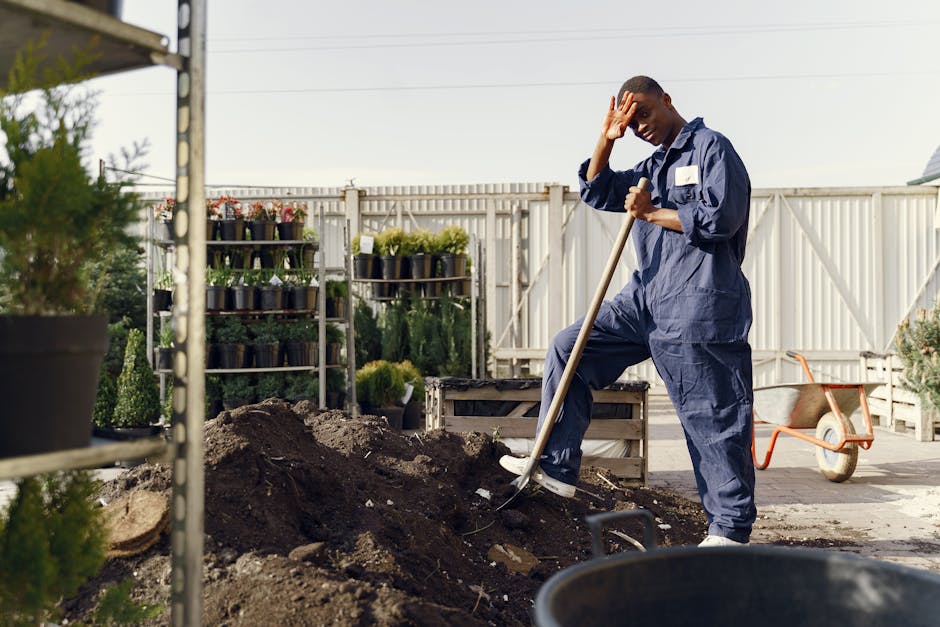
Common gardener mistakes that raise bills and how to avoid them
Garden bills creep up in a funny way. One month it is a few extra bags of compost, then a bigger water bill, then a hedge that has outgrown the ladder and somehow turned into a small project. Truth be told, most expensive gardens are not expensive because of one huge disaster. They cost more because of a string of common gardener mistakes that raise bills and how to avoid them with a bit of planning, a sharper eye, and a calmer routine.
This guide breaks down the habits that quietly drain money from your garden, why they happen, and what to do instead. Whether you are looking after a small urban plot, a family garden, or a larger outdoor space that needs regular upkeep, the goal is the same: fewer surprises, healthier plants, and less waste. And yes, a garden can look good without becoming a money pit.
Table of Contents
- Why these mistakes matter
- How garden mistakes turn into higher bills
- Key benefits of avoiding them
- Who this advice is for
- Step-by-step guidance
- Expert tips for lower-cost gardening
- Common mistakes to avoid
- Tools, resources and recommendations
- Law, compliance, standards and best practice
- Options and comparison table
- Case study
- Practical checklist
- Conclusion
- Frequently asked questions
Why Common gardener mistakes that raise bills and how to avoid them Matters
Gardens rarely stay cheap by accident. They stay affordable because someone is making steady, sensible decisions: watering at the right time, choosing the right plant for the right spot, keeping weeds from getting established, and tackling small jobs before they become awkward ones. When those habits slip, bills rise in several directions at once.
You see it in water use, replacement plants, extra fertiliser, pest treatments, broken tools, and emergency call-outs for jobs that should have been routine. A border left full of weeds may not look dramatic at first, but it can quietly steal moisture and nutrients from everything around it. That means more watering, more feeding, and more replanting. If you have ever looked at a tired lawn in late summer and thought, "How did it get this bad?", you are not alone.
There is another reason this matters. Many garden costs are hidden. A poor pruning cut today can mean weaker growth next season. A cheap product bought twice costs more than a decent product bought once. And a badly planned layout can lock you into awkward maintenance for years. The trick is to think ahead a little, not to overcomplicate everything.
If your garden has moved beyond a simple tidy-up, services like regular garden maintenance can help keep costs predictable, especially when ongoing jobs start stacking up.
How Common gardener mistakes that raise bills and how to avoid them Works
The money leak usually starts with small mismatches between the garden's needs and the care it gets. A shady corner planted with sun-loving shrubs will struggle, so you end up replacing them. A lawn cut too short in hot weather dries out faster, so it needs more water and repairs. A hedge trimmed at the wrong time grows back unevenly, so it needs more labour later. One decision leads to another. Quite ordinary, really.
At a practical level, higher bills often come from four patterns:
- Wrong plant, wrong place - plants fail faster, need more inputs, and are replaced more often.
- Delayed maintenance - weeds, ivy, moss, and overgrowth become more expensive to fix later.
- Poor equipment choices - cheap or unsuitable tools wear out early and make jobs take longer.
- Reactive rather than planned care - you only act once there is a problem, which usually costs more than prevention.
That is why the best approach is not just "work harder." It is to reduce avoidable friction. For example, if your border keeps flooding after rain, watering less is not the whole answer. You may need to improve soil structure, check drainage, or rethink what is planted there. If a path is constantly slippery with algae, repeated scrubbing may help for a while, but a proper patio clean and a better maintenance rhythm will usually save money over time. If you need a refresher on outdoor surfaces, patio cleaning is one of those jobs that pays back by preventing damage and repeated slip hazards.
In other words, the garden is not trying to be difficult. It is giving you clues. The bills go up when those clues are ignored for too long.
Key Benefits and Practical Advantages
Avoiding costly gardening mistakes is not only about saving a few pounds here and there. It changes the whole feel of garden ownership. You stop dreading seasonal jobs. You buy less on impulse. And the garden becomes easier to maintain even when the weather does its usual British thing - drizzle, then sun, then wind, then more drizzle.
Here are the main benefits:
- Lower water use by watering more intelligently and helping soil hold moisture.
- Fewer plant replacements because the garden is better matched to the site.
- Less labour from weeds, hedge regrowth, and neglected beds.
- Better long-term structure through proper pruning, spacing, and soil care.
- Improved safety from tidier paths, stronger fences, and reduced trip hazards.
- More reliable budgeting because maintenance becomes regular rather than emergency-led.
There is also a less obvious benefit: confidence. Once you know what to do and what not to do, you make better decisions quickly. That matters if you are balancing gardening with work, family life, or just the fact that weekends disappear far too quickly.
Expert summary: The cheapest garden is rarely the one with the fewest plants. It is the one with the right plants, the right maintenance rhythm, and the fewest avoidable surprises.
Who This Is For and When It Makes Sense
This advice is for anyone who wants a nicer garden without constant overspending. It is especially useful if you:
- have noticed your garden costs rising every season
- are starting from scratch and want to avoid expensive habits early
- manage a rental property or a garden that needs regular presentation
- have a busy schedule and need a practical, low-drama maintenance plan
- are dealing with overgrown beds, weeds, or tired lawn areas that keep coming back
- want to make better use of professional help instead of paying for the wrong jobs
It also makes sense if you have recently inherited a garden that has become a bit unruly. A neglected outdoor space can be turned around, but the bill can climb fast if you rush in without a plan. A measured first pass - clear, assess, then act - is nearly always cheaper than a full-blown tidy-up with no priorities.
If the space is genuinely overwhelmed, a structured reset such as turning a neglected garden into something manageable again can be a sensible starting point.
Step-by-Step Guidance
Here is a practical way to stop garden mistakes from turning into inflated bills.
1. Walk the garden with a cost lens
Start by asking a few blunt questions: What is failing repeatedly? What takes the most time? What keeps needing to be bought again? You do not need a spreadsheet for this. A notebook or phone memo is enough. Look for the obvious money sinks first: weeds, dead plants, patchy lawn, leaking irrigation, damaged edging, broken tools, or overgrown shrubs.
2. Fix the root cause, not just the symptom
If a plant keeps dying, do not just replace it with the same thing. Check light levels, soil moisture, drainage, and exposure to wind. If moss keeps returning, do not only scrape it away. Think about shade, drainage, compaction, and how much the area is used. This is where a lot of people waste money - they treat the visible problem and miss the reason it keeps happening.
3. Tackle weeds before they settle in
Weeds are a classic cost multiplier. Left alone, they spread, thicken, and force you into bigger clear-up jobs. If you want a practical approach, the guide on dealing with weeds effectively gives a useful sense of how prevention saves effort later. The short version? Keep beds covered, remove weeds while small, and do not let them seed if you can help it.
4. Adjust watering habits
Many gardeners overwater out of worry. That is understandable. But shallow, frequent watering can encourage weak roots and waste water. Water deeply and less often where appropriate, and do it early in the day when evaporation is lower. Pots may need more frequent attention than borders, though, so do not treat everything the same. A container garden in full sun is a different animal entirely.
5. Match plant choice to the site
Before buying, think about exposure, soil, shade, wind, and how much care you really want to give. A low-maintenance space should not be packed with needy plants. If you want structure with less fuss, using hardy ground cover plants in the right positions can reduce weed pressure and cut back on watering. There is a useful overview in ground cover plant ideas for UK gardens.
6. Keep hedges and climbers under control
Overgrown hedges and climbers are expensive in a sneaky way. They shade out nearby planting, block light, create wind drag, and can turn into bigger jobs if left too long. Timely cutting keeps the work lighter. If you are dealing with a boundary hedge or a privacy screen, it helps to stay ahead of growth rather than chasing it after it has turned lumpy and woody. For practical context, see hedge trimming techniques that improve shape and reduce future work.
7. Stop letting one-off repairs become a pattern
A cracked joint, loose panel, or failing fix often costs more later if ignored. The same goes for worn decking boards, leaning fencing, and damaged edging. Small repairs usually stay small if they are dealt with quickly. Left alone, they affect neighbouring materials too. It sounds obvious, but people miss it all the time - then wonder why a GBP40 job became a much larger one.
Expert Tips for Better Results
Experienced gardeners tend to save money in ways that are almost boring. That is the secret. Nothing flashy. Just consistent habits that stop waste before it starts.
- Spend where durability matters. Good secateurs, a solid hose, and a reliable rake usually outlast bargain alternatives.
- Use mulch strategically. It suppresses weeds, holds moisture, and reduces temperature swings around roots.
- Group plants by water need. That way you do not overwater one area just because another is thirsty.
- Prune at the right time. Bad timing can lead to weak regrowth and extra cuts later.
- Inspect after windy weather. Loose ties, cracked canes, and fallen branches are cheap to fix early.
- Keep records of what you buy. You will spot repeat purchases, which is usually where waste hides.
One more thing: do not overcomplicate a simple garden. People sometimes add too many plant types, too many decorative features, and too many "quick improvements." Before long, maintenance becomes a part-time job. If you want a calmer, cheaper-to-run layout, there are useful ideas in budget hacks for a low-maintenance outdoor space.
And yes, sometimes the smartest move is to do less. A neat, modest border maintained well beats a crowded border that demands constant attention. That is just life.
Common Mistakes to Avoid
Here are the costliest habits, and the reason each one stings.
1. Buying plants for looks alone
A plant can look gorgeous in the nursery and still be wrong for your soil or aspect. Replacements add up fast. Always check whether the plant fits the conditions you actually have, not the conditions you wish you had.
2. Letting weeds get "just a bit bigger"
That "I'll do it next weekend" mindset is a classic bill raiser. Weeds get tougher, seed more easily, and take longer to remove once established. The fix is not heroic effort. It is regular attention.
3. Mowing the lawn too short
Scalping a lawn weakens it, exposes soil, and encourages drought stress and weed invasion. Then you spend more on watering, feeding, and patch repairs. A healthier cut length is usually cheaper in the long run.
4. Ignoring drainage problems
Waterlogged areas can destroy roots, compact soil, and create repeated failures. People often keep replacing plants when the real issue is drainage. Fix the ground first.
5. Using the wrong tools for the job
Trying to prune thick branches with weak tools, or cutting hedges with blunt blades, makes work slower and messier. Poor cuts can lead to damage that needs reworking. If your tool kit is thin, the guide to essential gardening tools is a sensible place to sanity-check what you really need.
6. Overfeeding plants
More fertiliser does not automatically mean more growth. Too much can burn roots, create weak leafy growth, and lead to a cycle of recovery feeding. Use feed with a purpose, not out of habit.
7. Leaving seasonal jobs too late
Winter prep, hedge trimming, and storm checks are cheapest when done before the weather turns nasty. If you wait until the first freeze or the first big blow, the work often doubles. For example, a timely pass on weather-prone areas can reduce breakage and debris issues. The article on shielding your garden from weather extremes is worth a look if your plot gets battered by wind or frost.
Tools, Resources and Recommendations
You do not need a shed full of gear to keep bills down. But a few dependable tools and habits make a huge difference.
| Need | Better choice | Why it saves money |
|---|---|---|
| Weed control | Hand weeding, hoe, mulch | Prevents spread before problems become large-scale |
| Pruning | Sharp secateurs, loppers, hedge trimmer | Cleaner cuts mean less damage and less rework |
| Watering | Can with rose, hose, or simple irrigation timer | Reduces waste and keeps watering more consistent |
| Soil improvement | Compost, mulch, organic matter | Improves moisture retention and plant resilience |
| General upkeep | Rake, broom, gloves, fork, spade | Useful basics avoid expensive improvisation |
If you are starting from a messy patch or are trying to bring order to a tired space, it helps to combine the right tools with a realistic plan. A bit of knowledge on fundamental gardening tips for those starting can save a lot of costly trial and error.
For gardens with more structure, you may also need broader help such as lawn care, hedge trimming, or even tree surgery if branches are affecting safety, light, or buildings. Not every job should be DIY. Honestly, some jobs are simply better left to someone with the right kit.
Law, Compliance, Standards and Best Practice
In the UK, gardeners and property owners should think carefully about safety, access, waste handling, and the condition of boundaries or trees. You do not need to become a legal expert, but a few common-sense points matter.
For example, if your garden work involves ladders, power tools, heavy lifting, or tree work, safety should come first. Proper risk assessment, suitable equipment, and clear working practices are standard expectations, whether you are doing the work yourself or hiring help. If there are children, pets, or shared access routes nearby, the bar should be higher still.
Tree work is a good example. A small-looking branch over a roof can hide decay or instability. Cutting it badly can create more trouble than it solves. Likewise, boundary fences and shared hedges can involve neighbour considerations, so it is worth communicating early rather than assuming. That avoids awkwardness, and awkwardness can get expensive too.
Reputable providers usually publish details about their approach to safety and standards. If you are comparing help, it is sensible to review pages such as health and safety policy, insurance and safety, and terms and conditions before work begins. It is also wise to understand how payment, complaints, and quotes are handled. Clear paperwork may feel dull, but it protects both sides.
There is also a practical standard issue around waste and tidiness. Grass cuttings, prunings, and old ivy should be disposed of properly. If a contractor is doing the work, it should be clear who handles removal. No one wants a neat border and a pile of waste left for later. That "later" has a habit of never arriving.
Options, Methods, or Comparison Table
Different gardens need different approaches. Here is a straightforward comparison of common options.
| Approach | Best for | Strengths | Watch-outs |
|---|---|---|---|
| DIY maintenance | Small, manageable gardens | Lower immediate cost, flexible timing | Easy to delay, easy to underestimate the work |
| Scheduled maintenance | Busy homeowners and landlords | Predictable upkeep, fewer surprises | Needs discipline and a regular budget |
| One-off tidy-up | Overgrown or neglected spaces | Fast reset, visible improvement | Can cost more if the garden returns to chaos |
| Professional specialist help | Hedges, trees, complex layouts, heavy jobs | Safer, quicker, often more precise | Must be chosen carefully and scoped properly |
For many households, the best answer is a mix of methods. Do the simple jobs yourself, and bring in help for the awkward or risky ones. That balance often gives the best value. If your outdoor space is becoming a bit too much, broader support from professional gardening services may be more economical than trying to catch up alone.
Case Study or Real-World Example
Here is a realistic example from a typical suburban garden. Nothing dramatic, just the kind of place many people know well: a lawn, a few beds, a hedge along the fence, two containers by the patio, and a patch of ivy trying to claim the side wall.
The owners were spending more each season but could not quite see why. They were watering often because the lawn looked dry. They kept replacing plants in one border because they kept failing in the same spot. They were buying more feed, more compost, and a couple of cheap tools that kept snapping. The hedge was trimmed only when it started to look "a bit much," which meant each cut was heavier than it needed to be.
Once they slowed down and looked properly, the pattern was obvious. The dry lawn was being cut too short and was actually losing moisture faster. The failing border had shallow soil over rubble, so the plants were never going to thrive there without change. The ivy was spreading into the wall area and competing for space. And the blunt tools were making everything harder than it should have been.
The fix was not glamorous. They raised the mow height, improved the border with better soil and a more suitable planting choice, cut back the ivy properly, and replaced the worst tools with decent ones. That first month cost a bit. After that, the garden became far cheaper to run. Fewer replacements, fewer emergency buys, fewer do-overs. The sigh of relief was almost visible, if that makes sense.
If you are facing something similar, a clean-up focused on removing invasive ivy properly and restoring a garden from a poor starting point with practical recovery steps can save more than it costs.
Practical Checklist
Use this simple checklist before spending more money in the garden.
- Have I identified the real cause of the problem, not just the visible symptom?
- Am I watering for plant needs, not for peace of mind?
- Are weeds being removed before they seed?
- Is each plant suited to light, soil, and exposure?
- Are hedges, shrubs, and climbers being trimmed before they become a bigger job?
- Do I own the right tools, and are they in decent shape?
- Have I checked drainage, shade, and soil structure in problem areas?
- Am I buying replacement plants too quickly instead of improving the site?
- Is there a regular maintenance rhythm, even a light one?
- Do any safety or access issues need professional attention?
If you can tick most of those off, you are already ahead of many garden owners. Not perfect, no one is. But ahead.
Conclusion
Common gardener mistakes that raise bills and how to avoid them comes down to a simple idea: the cheapest way to care for a garden is to stop problems early. Match the plant to the spot. Keep weeds under control. Water with intent. Trim before things get tangled. Use proper tools. And do not keep paying for the same mistake twice. That is where the money disappears.
The good news is that most cost-saving improvements are not difficult. They are mostly habits. Small ones. Consistent ones. The kind that make a garden easier to enjoy on a quiet evening, when the air smells faintly of cut grass and the work is finally done for the day.
If you want help turning a costly, high-maintenance garden into something more manageable, start with clear priorities and realistic support. Speak with a local gardening team if you want advice tailored to your space.
Get a free quote today and see how much you can save.
Frequently Asked Questions
What is the most expensive gardener mistake?
Usually it is ignoring small problems until they become big ones. Weeds, bad drainage, wrong planting choices, and delayed pruning tend to snowball into higher costs because they create extra labour, replacements, and wasted materials.
How do I stop garden bills from creeping up?
Use a simple routine: inspect regularly, water carefully, remove weeds early, and deal with failed plants by checking the cause rather than just replacing them. A little consistency saves more than a big clean-up later.
Is DIY gardening always cheaper than hiring help?
Not always. DIY is cheaper for straightforward jobs, but a poor cut, wrong product, or unsafe job can cost more later. For hedges, trees, heavy pruning, or a full reset, professional help can be better value.
Why do my plants keep dying in the same place?
That usually points to a site problem, such as too much shade, poor drainage, exposed wind, compacted soil, or the wrong plant choice. Replacing the plant without fixing the site is often money down the drain.
Does overwatering really waste that much money?
Yes, because it can weaken roots, encourage disease, and create more plant failures. It also uses more water than necessary. Deep, less frequent watering is often more efficient for borders and lawns.
What garden jobs should I not leave too long?
Weed removal, hedge trimming, lawn care, checking for storm damage, and fixing broken supports or fencing. These jobs are cheaper and easier when handled early.
How can I reduce lawn costs?
Cut at the right height, avoid scalping, water sensibly, improve soil health, and keep the lawn free from compaction and heavy weed pressure. If the area is large or patchy, a proper lawn care plan helps.
Are cheap tools worth buying?
Sometimes, but only for light occasional use. For regular work, poorly made tools usually wear out early or make the job harder. Good tools can save money because they last longer and do a cleaner job.
When should I call a professional instead of doing it myself?
If the job involves height, heavy branches, structural issues, or anything unsafe, call in help. The same goes for large overgrowth, awkward access, or jobs that would take you several weekends to finish badly.
How often should a garden be maintained to avoid expensive problems?
For most gardens, a light weekly or fortnightly routine is enough to prevent expensive build-up. Seasonal tasks like hedge cutting, soil improvement, and winter prep should be planned ahead rather than left until the last minute.
Can mulch really reduce bills?
Yes. Mulch helps hold moisture, suppress weeds, and stabilise soil temperature. That means less watering, less weeding, and less stress on plants. It is one of those plain, unglamorous things that quietly pays off.
What is the biggest mistake with hedges and shrubs?
Leaving them too long between trims. Once growth gets too dense or woody, cutting becomes slower and less efficient, and the plant can look worse for longer. Keeping shape early is far cheaper than rescuing a monster hedge later.
What is the easiest way to make a garden cheaper to run?
Choose hardy plants, reduce lawn where it is not useful, keep weeds down, and avoid impulse buys. A garden that is simple in structure is usually cheaper, calmer, and frankly nicer to live with.